
Prevention Is Better Than Cure: Panchkhal's Deputy Mayor Urges Communities to Act Early Against Cancer
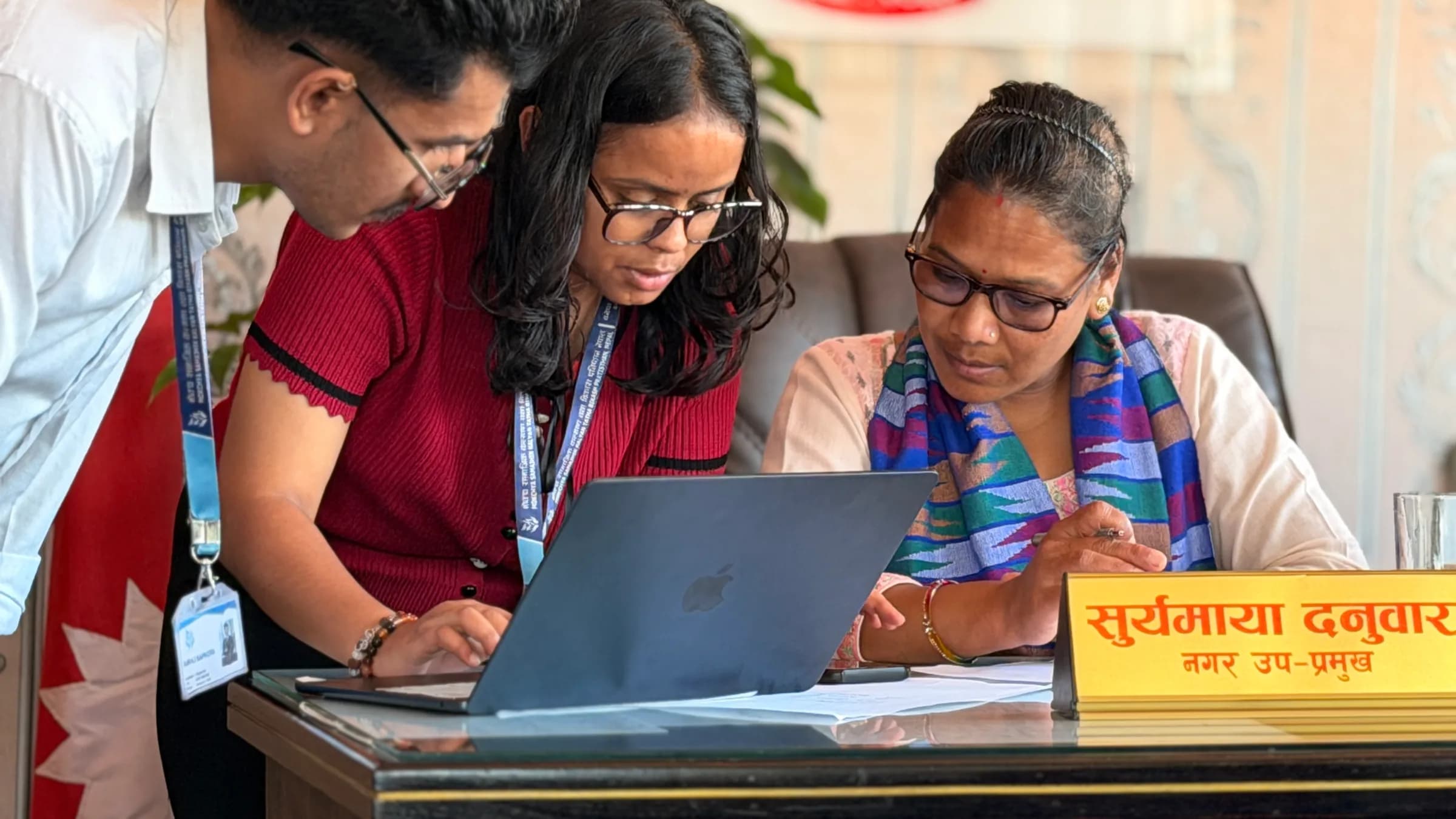
Suryamaya Danuwar, Deputy Mayor of Panchkhal Municipality, speaks with Mokchya Samajik Kalyan Tatha Bikash Pratishthan Nepal about why cancer awareness matters. She shares simple everyday steps for lowering risk, warns that fear and shame stop people from seeking treatment, and describes honestly what chemotherapy was like for her. She invites the whole community to attend the upcoming cancer awareness street drama.
Prevention Is Better Than Cure: Panchkhal's Deputy Mayor Urges Communities to Act Early Against Cancer
In conversation with Suryamaya Danuwar, Deputy Mayor of Panchkhal Municipality, by Mokchya Samajik Kalyan Tatha Bikash Pratishthan Nepal
Most people only start paying attention to cancer once it has reached their own home. Suryamaya Danuwar, Deputy Mayor of Panchkhal Municipality, would like us to start earlier.
In a recent conversation with our team, she spoke about why community awareness programs matter, which everyday habits may put our health at risk, and what she learned from her own experience of cancer treatment. Her message is practical and personal, and it applies to every household.
Stopping the disease before it starts.
"Prevention is better than cure" is an old saying, but the Deputy Mayor treats it as a plan. Avoiding the disease, she said, matters more than treating it after it has taken hold. That is why she believes everyone should take part in cancer awareness programs, and why she asks those who learn something to pass it on to others.
Awareness is also not only for women.
Men and women share their lives and their families, so both need to understand the risks and the warning signs. When a problem is found early, families are spared much of the pain, expense and emotional strain that come with a late diagnosis.
Everyday habits that matter.
Ms. Danuwar spoke about how daily life in Nepal has changed, and how that may be affecting our health.
Pesticides on the farm:
Many families grow vegetables and use pesticides. She urged farmers to protect themselves and not to spray openly and unprotected. She also stressed the waiting period: produce that has been sprayed should not be eaten until the recommended number of days has passed.
Less movement:
In earlier times, village life meant farming, climbing hills and collecting firewood, so people sweated every day. Today life is more comfortable and far less physical. She believes this comfort leaves us more open to disease, and she encouraged regular exercise as a form of protection.
What we eat and drink:
Fresh, home-cooked food is increasingly replaced by junk food, ready-made snacks and packaged meals. She pointed to cold drinks, refined sugar and white flour as examples. Village households once ate very little sugar, but it is now part of everyday eating. These foods may be fine as an occasional treat, she said, but a daily habit is a different matter.
The common thread in her advice is awareness. Our food, our work and our environment all affect our health, and the more we know, the better we can choose.
An invitation to the whole community Ms. Danuwar also spoke about the street drama on cancer awareness that is being planned. She invited parents, sisters and brothers, and everyone living in the area where it is performed, to come and watch. She reminded people that if they have questions or doubts afterward, they can ask the municipality's health section or the organizers. She said she is happy to be asked as well, drawing on her own experience.
Fear and shame can cost lives One of the most important parts of the conversation was about people who stay silent. Ms. Danuwar said she has met people who feel something is wrong but do not seek help because of shame or fear. Some who know they are ill choose not to be treated at all, thinking they will simply live as long as they live.
She warned that untreated disease leads to a very painful end in the later stages. Early on, she said, you may feel nothing at all. That is exactly why waiting is so risky.
What chemotherapy was really like
Ms. Danuwar spoke openly about her own treatment, and what she shared may help others who face the same road. After her operation, she was told she needed chemotherapy. She knew it would be hard, but she was still quite positive at the time.
On the day her chemotherapy was scheduled, she also had an executive committee meeting. She asked her doctor whether the treatment could be moved. A familiar face at the hospital gently reassured her, saying the treatment is like a saline drip, that she could come early in the morning, finish in a few hours and still make her one o'clock meeting.
It did not turn out that way. Afterward she felt so unwell that attending the meeting was impossible, and even getting home was a struggle. She described severe vomiting and an intense burning sensation, and she remembered sitting outside her house at midnight because she could not bear it indoors. She also noted that some patients faint during treatment.
Her point was not to frighten anyone. It was to be honest. Treatment is hard, and people deserve to know that so they can prepare, plan time off and ask for support from family and community. Facing it with the right expectations is far better than being caught off guard.
What we can take from this
Ms. Danuwar's message comes down to a few simple steps:
Attend awareness programs and share what you learn. Use pesticides safely and respect the waiting period before eating sprayed produce. Stay active, and cut down on junk food, sugary drinks and packaged food. Do not let fear or shame keep you from asking questions or seeking care. If treatment is needed, begin early and prepare for it, with your family beside you.
Awareness costs very little, and it can save a life. We thank Deputy Mayor Suryamaya Danuwar for her honesty and her leadership, and we encourage everyone to join the cancer awareness activities in their community.